Let me tell you about what my mentor, Tom Hegna, calls “The Waffle House Decision”.
We’ve all seen this … If you go to a Waffle House, or McDonald’s or Chick-fil-a, etc., in the morning you will see a group of older men gathered. They’re drinking coffee, talking about the weather, talking about their wives, and solving all of the world’s problems. We call them “the Council of Wise Men”.
If you were to up to these gentlemen and asked them when you should claim Social Security, to a man they will all say “62”. Why? They’ll say “everyone knows that Social Security is in deep financial trouble”. They’ll also say that you could defer in anticipation of a larger benefit down the line … and then die unexpectantly before collecting a dime.
Well, Social Security is in deep financial trouble. In about 2035, the trust fund will be depleted. The thing is though, there’s nothing but government IOUs in the trust fund anyhow. The surpluses of past have already been spent and replaced with IOUs. When the trust fund is depleted, payments will have to be reduced to about 78% of promised benefits across the board: to those already receiving it and those waiting to make their claim. But who votes the most? Baby Boomers and Gen X, neither of whom are going to be happy with their benefit being slashed. Politicians are not profiles in courage and fear losing their seats, so they’ll fix it. It won’t be difficult to fix but the political will has to be there and that won’t come until the absolute last minute, just like what happened in 1983 when the program was last rescued.
It’s also true that you could die unexpectedly before you receive much in benefits or perhaps nothing at all. I’m not going to plan my retirement based on the odds of getting hit by a bus and, as for health, I can only go by what’s known of my health at the time.
The thing about “the Council of Wise Men” is that they don’t know a thing about you and yet they were all certain that 62 was the right answer. They didn’t know anything about your current age, when you want to retire, your financial situation, what your health is like, nothing about your family’s health history and longevity, or what kind of lifestyle you wanted to live in retirement.
So why did I tell you about “The Waffle House Decision”? It’s simply to illustrate that there are a lot of things to consider when deciding when to take your Social Security. It very well could be that 62 is the best age for you, but this decision is important and has lots of things to consider.
Maximize Your Social Security Benefits with a Personalized Claiming Strategy
For most retirees, Social Security benefits represent one of the most important sources of retirement income. In fact, for the average retiree, Social Security provides 30% of their retirement income and 42% of retirees derive 50% or more of their retirement income from Social Security.
Yet deciding when and how to claim benefits can be more complicated than most people realize. A married couple faces 9,000 claiming combinations. Professor Laurence Kotlikoff of Boston Univerisity says this: “Social Security is about as complicated a fiscal system as is humanly possible to design.”
The timing of your claim can have a significant impact on your monthly income, your lifetime benefits, and your overall retirement strategy and unfortunately most people will spend more time researching which refrigerator to buy than evaluating their Social Security claiming options.
At Dietz Financial and Insurance Services, we help individuals and couples make informed decisions through personalized Social Security optimization strategies. Our goal is to help you understand your options, avoid common mistakes, and develop a claiming strategy that supports your long-term retirement income goals.
Why Social Security Optimization Matters
Many people assume they should begin collecting benefits as soon as they become eligible. While claiming early may make sense in certain situations, it can also result in permanently reduced monthly benefits. On the other hand, delaying benefits may increase your monthly income but may not be the right fit for every retirement plan.
There are many factors to consider when determining the optimal time to claim Social Security benefits, including:
- Your current age and planned retirement date
- Life expectancy considerations
- Marital status
- Spousal benefits
- Survivor benefits
- Current income and retirement savings
- Tax implications
- Pension income
- Healthcare and long-term care planning needs
- Overall retirement income goals
Every retirement situation is unique, which is why a personalized strategy can be so valuable.
Integrating Social Security into Your Retirement Income Plan
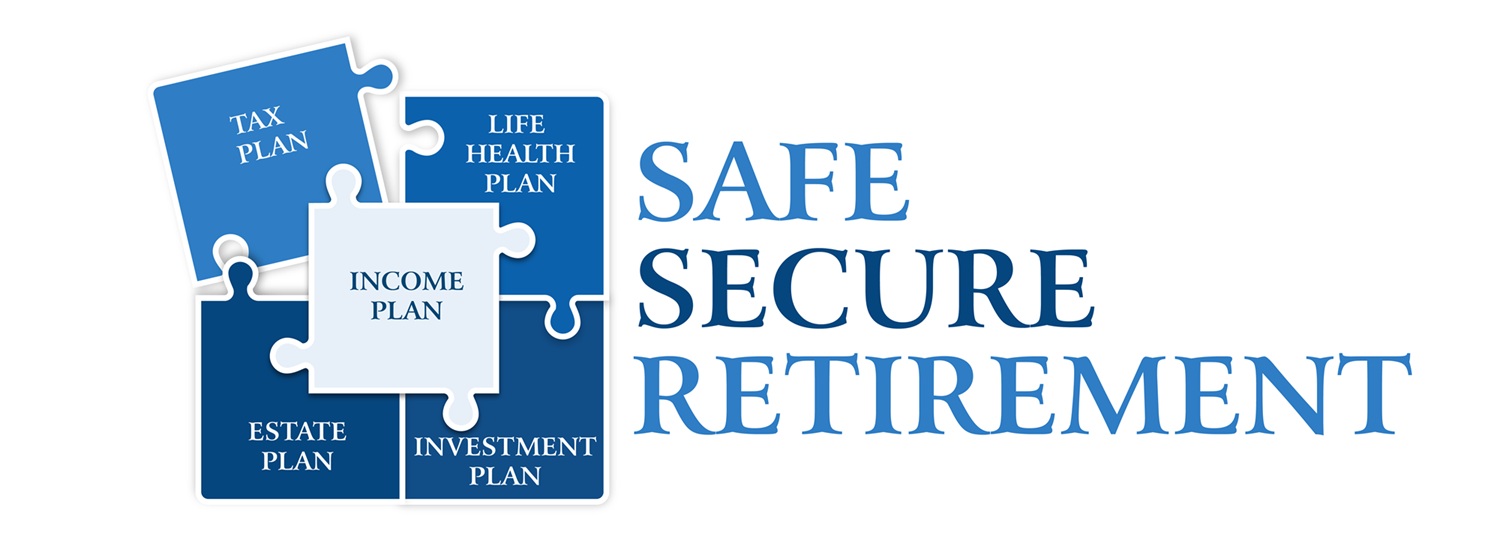
Social Security should not be viewed in isolation. It is one component of a comprehensive retirement strategy that may also include retirement accounts, pensions, annuities, investment income, life insurance, and other financial resources.
By coordinating Social Security with your broader retirement plan, it may be possible to:
- Create more predictable retirement income
- Reduce the risk of outliving your savings
- Improve tax efficiency
- Protect surviving spouses
- Support long-term financial goals
- Increase confidence in retirement decisions
A well-designed retirement strategy considers how all of these pieces work together.
Serving Clients Throughout Virginia and Nationwide
Based in Midlothian, Virginia, Dietz Financial and Insurance Services helps individuals and families throughout Richmond, Virginia Beach, Northern Virginia, Williamsburg, Chesapeake, Norfolk, Fredericksburg, Charlottesville, Roanoke, Lynchburg, and communities across the Commonwealth. We also work with clients nationwide through virtual consultations, providing personalized retirement planning and Social Security optimization services regardless of location.
Schedule Your Social Security Strategy Consultation
Choosing when to claim Social Security benefits is one of the most important financial decisions many retirees will make. A thoughtful claiming strategy can help you make the most of your benefits and create a stronger foundation for retirement.
Contact Dietz Financial and Insurance Services today to schedule a consultation and learn how Social Security optimization can fit into your overall retirement plan.